
About Us
We bridge the gap between complex digital technologies and tangible, high-performance business outcomes. Silicon Computing Ltd was established with a clear mandate: to help large-scale enterprises integrate state-of-the-art AI networks, transition successfully to secure cloud nodes, and protect intellectual capital using audited zero-trust cybersecurity configurations.
Our approach pairs senior-level technical architects directly with corporate leaders. This transparency helps us deliver custom software ecosystems that are fully compliant, highly responsive, and built to scale globally.
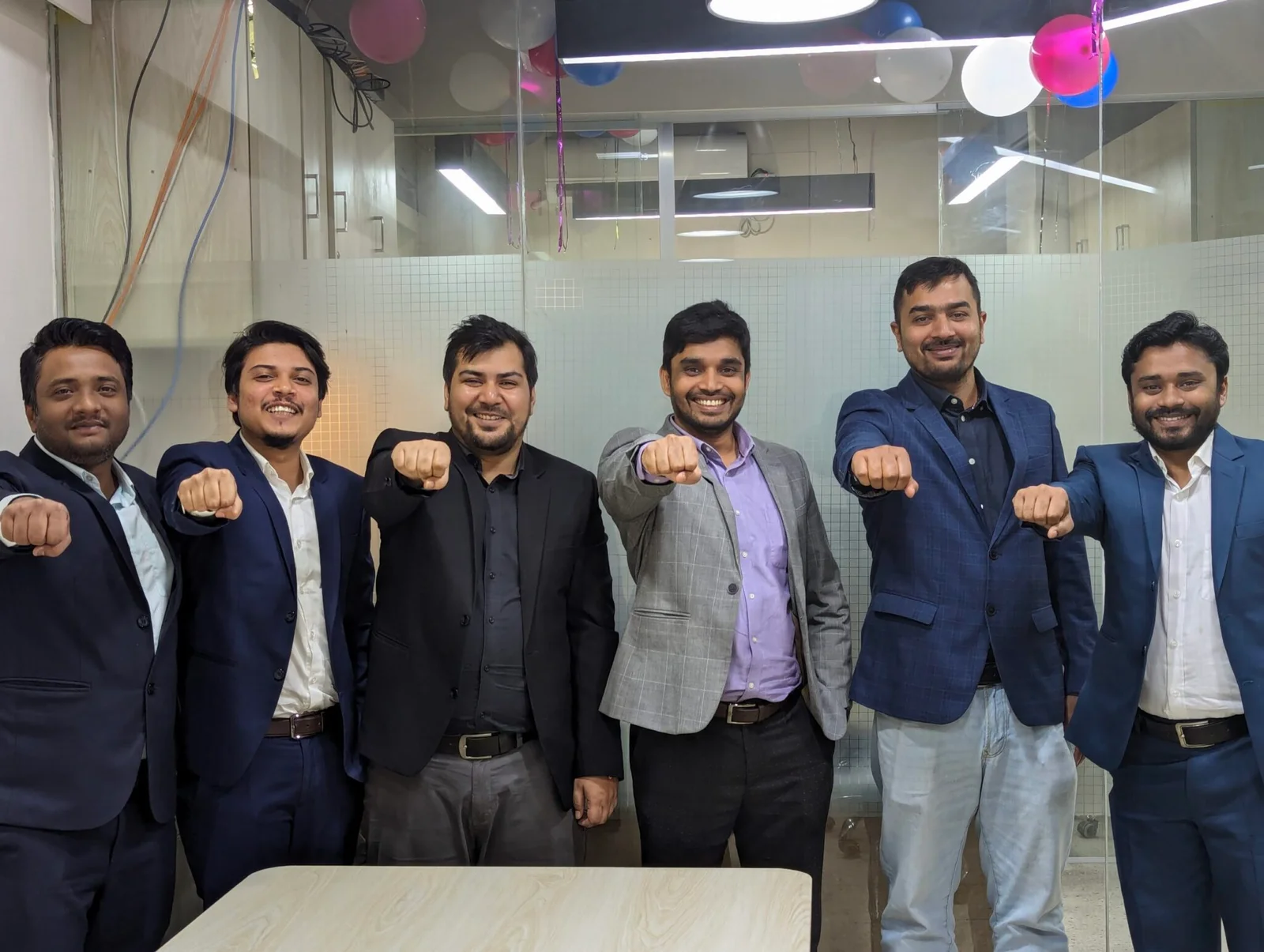
At Silicon Computing Ltd, we are dedicated to delivering secure, reliable, and innovative IT solutions that empower your business to grow and succeed.

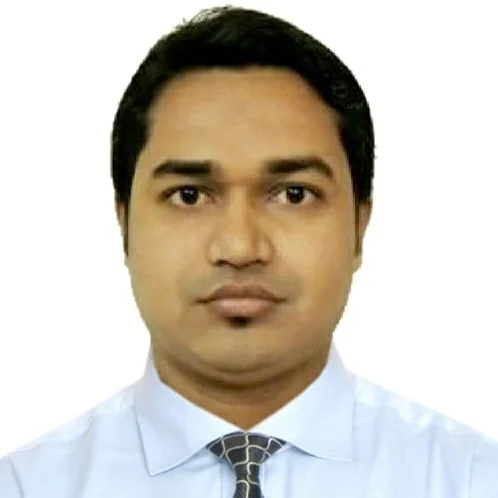
Nasir Feroz
CEO








.png)














What Makes Silicon Computing Ltd Unique
We engineer scalable custom pipelines from raw telemetry scopes to automated enterprise dashboards.
Direct integration of senior cloud architects, AI engineers, and audited security specialists.
A solid history of delivering resilient SCADA nodes, zero-trust cloud vaults, and ERP integrations.
We align complex technological solutions to match specific operational velocity and board metrics.
We have introduced next-generation digital transformation standards
Empowering regional digital infrastructures by delivering secure systems architectures, robust multi-cloud environments, and bespoke AI pipelines designed to drive operational velocity.
Successful Projects
Delivering IT solutions across industries with proven results.
Industry Expertise
A decade of experience in digital transformation.
Enterprise Clients
Trusted by leading businesses for mission-critical IT services.
Support & Monitoring
Ensuring uninterrupted operations with reliable support.
IT Solutions for greater efficiency and growth
Accelerating your enterprise IT infrastructure with cutting-edge technical services, custom CRM/ERP integrations, and robust database architectures designed to eliminate workflow bottlenecks and drive corporate growth.
End-to-End Transformation
We handle everything from architectural planning to custom coding, 24/7 security protection, and long-term cloud management.
Experienced Professionals
Our staff consists of certified senior architects, cybersecurity specialists, and AI researchers with decades of experience.
Proven Track Record
We have delivered custom operational architectures, database migrations, and predictive AI solutions globally.
Client-Centric Approach
We build dedicated channels, run weekly syncs, maintain 100% transparency, and craft custom solutions shaped by your metrics.
Driving Digital Transformation
in Bangladesh
Silicon Computing Ltd is one of the leading IT consultancy firms in Bangladesh, delivering robust AI pipelines, zero-trust cybersecurity networks, and continuous cloud migrations. We empower regional large enterprises to transition successfully to scalable systems designed to automate workflows and mitigate corporate risk.
We guarantee reliable IT solutions for your business success
High-Performance
Delivering customized systems engineered with minimal hardware footprints, extremely low API latency index, and highly optimized processing threads.
Quick Delivery
Allocating dedicated systems architects immediately to scope, compile, and deploy enterprise-level workloads in highly optimized cycles.
Premium Security
Structuring custom private servers, zero-trust network credentials, and active SIEM telemetry capture for complete compliance audit.
Our Management


What Our Partners Say About Us
"Silicon Computing Ltd delivered a complex AI diagnostic system on schedule. Their technical competence, compliance diligence, and outstanding support changed how our research clinics operate."

Dr. Sarah Jenkins
VP of Medical Operations, BioTech Health Corp
Request an Enterprise AI Consultation
Let our senior system architects evaluate your tech stack, coordinate digital roadmaps, and deploy custom solutions.
Our Location
BDBL Bhaban, (Level-9, West), 12 Kawran Bazar, Dhaka 1215
Phone / Support
09614556655
Inquiries
sales@silicon.com.bd
Working Hours
Sunday - Thursday 09:00 AM - 06:00 PM